
$500.00
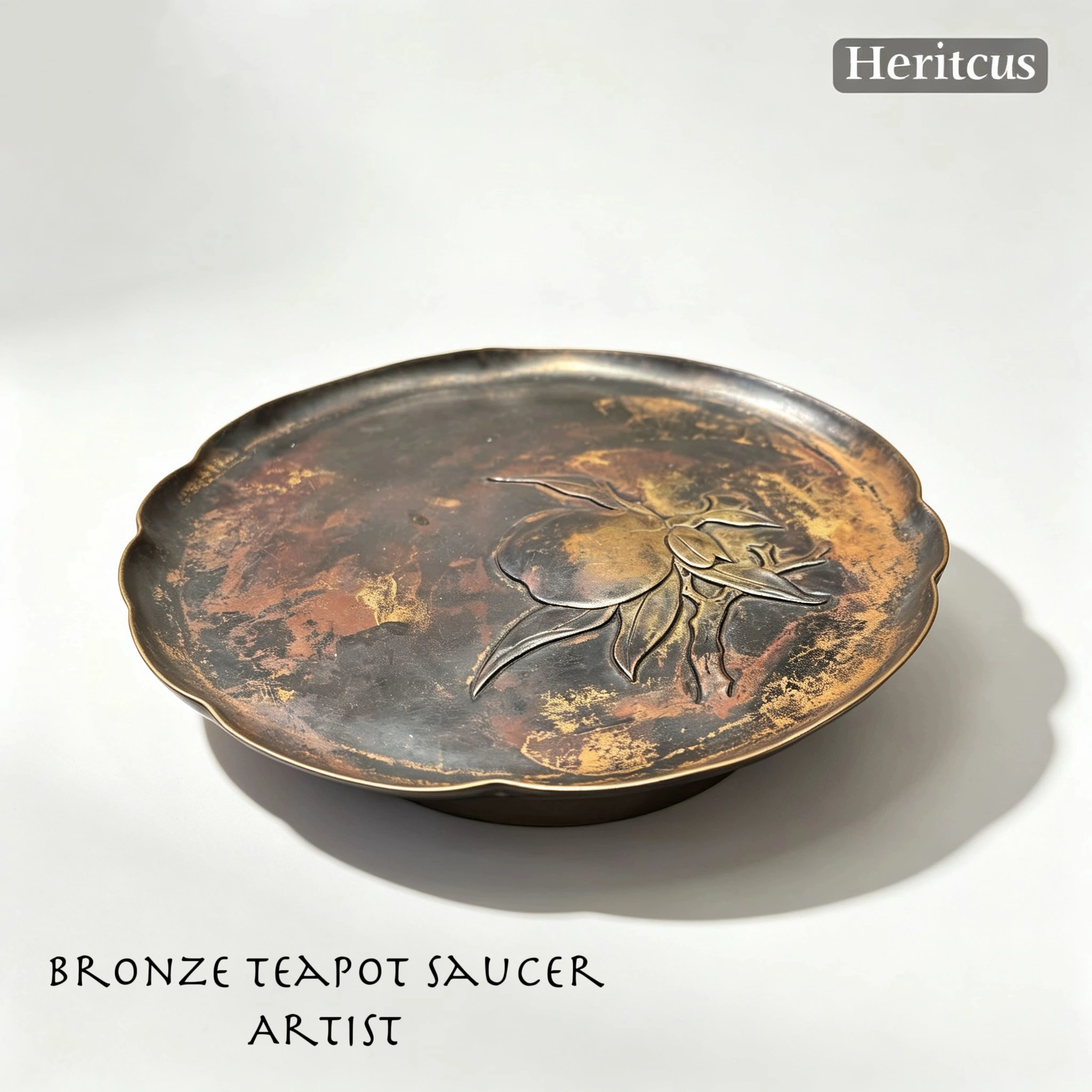
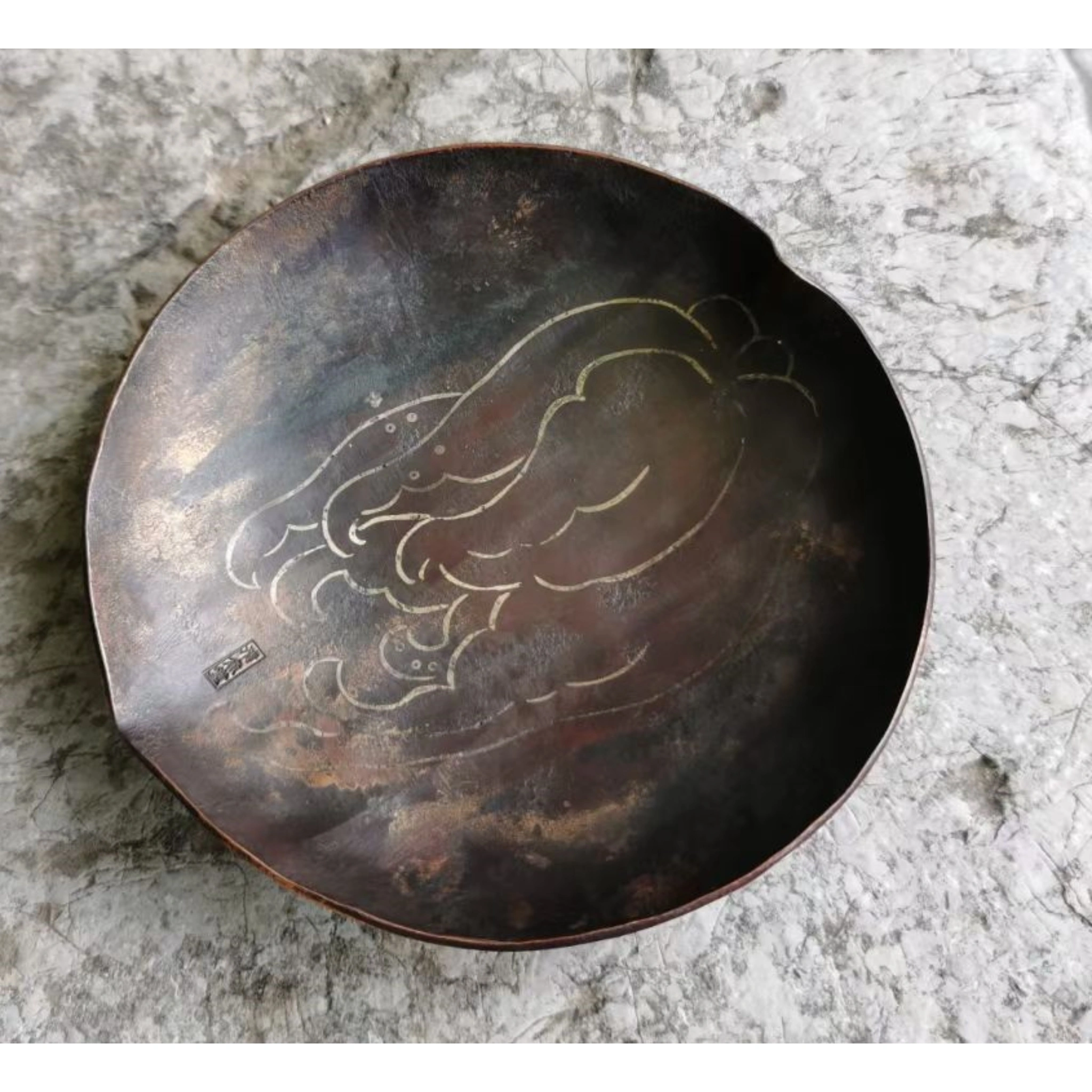
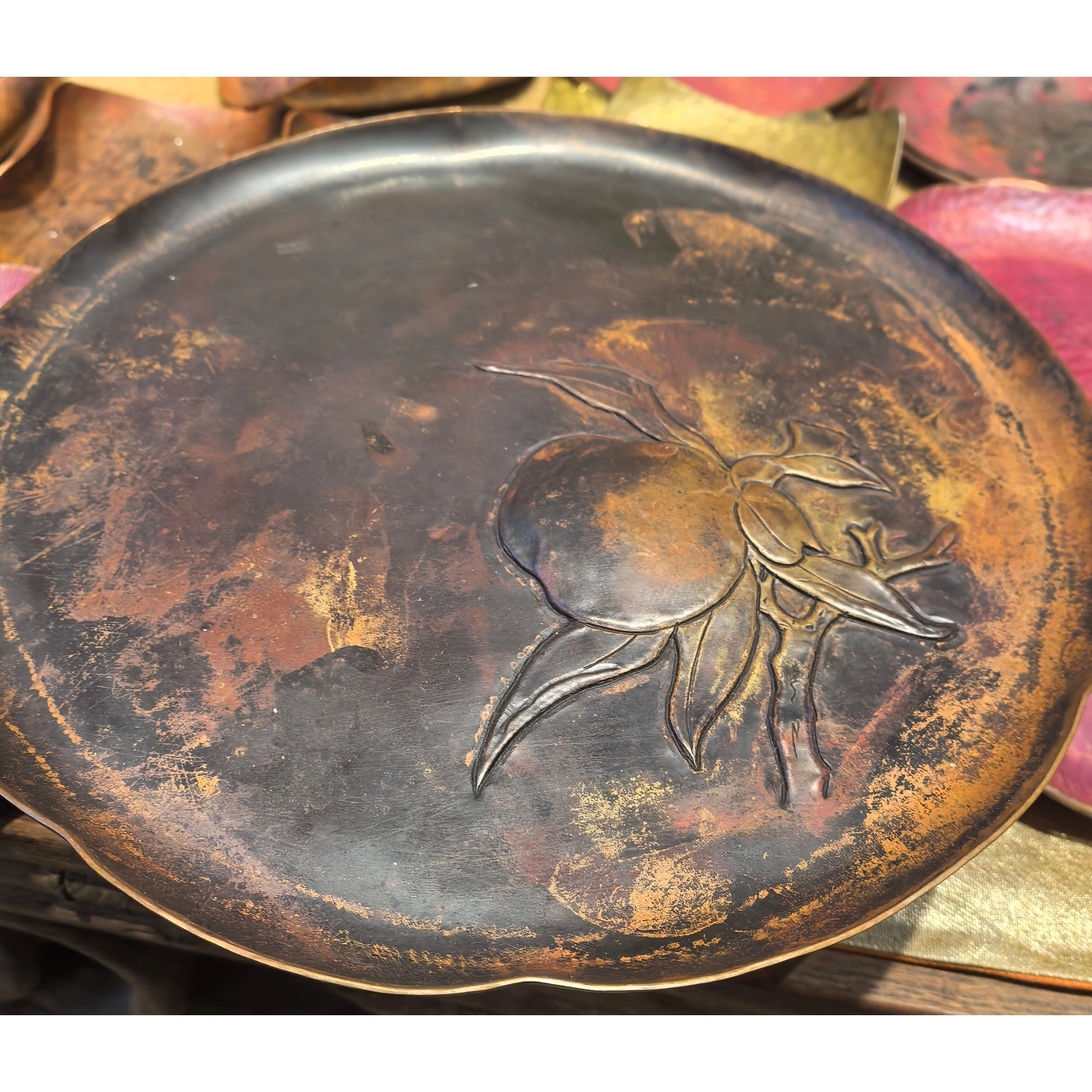
A hand-hammered engraved copper teapot stand featuring decorative motifs and an antique patina finish. Each piece is forged through the municipal intangible cultural heritage craft of Wei County Hammered Copper. The artisan shapes a single piece of pure copper through tens of thousands of strikes, then engraves intricate patterns and applies a controlled treatment to create a rich, aged appearance. This 18cm engraved copper teapot stand combines timeless craftsmanship with artistic detail for the Gongfu tea ceremony.
A complete gongfu tea set is far more than a collection of vessels — it is a carefully orchestrated ensemble, each piece chosen for its purpose, its placement, and its contribution to the harmony of the tea table. Rooted in centuries of Chinese tradition, the gongfu tea set reflects the values of the literati: precision, simplicity, and reverence for ritual.
Among the essential components, the teapot stand (hucheng) occupies a quiet yet indispensable place. Resting beneath the teapot, it performs a dual role — practically, it catches drips and rinse water, keeping the tea table clean and composed; symbolically, it elevates the teapot above the table, signifying its central role in the ceremony. The teapot stand is not merely functional — it is a gesture of respect, acknowledging that the vessel holding the tea deserves to be honored and cared for.
Together, these seemingly minor pieces — the teapot stand, the cup holders, the tea scoop — form the quiet infrastructure of the gongfu tea ceremony. They are not accessories; they are essentials. Their presence signals that the tea table is not merely a surface, but a sacred space — a sanctuary for mindfulness, a stage for the refined spirit of the Chinese literati.
This engraved copper teapot stand belongs gongfu Tea Set is crafted using Wei County Hammered Copper — a traditional Chinese metalworking craft passed down through generations in Weifang, Shandong. During the Qing Dynasty, Weifang was home to “two hundred red furnaces and three thousand copper craftsmen” — a scale that speaks to the mastery behind every piece. In 2020, this craft was recognized as a municipal intangible cultural heritage of Weifang.
The gongfu Tea Set type teapot stand follows a principle called “one-sheet forging.” The artisan starts with a single piece of high-purity copper. Through repeated heating and hammering — tens of thousands of strikes — the metal gradually takes its final shape. The process includes blank forging, design sketching, cutting, shaping, annealing, forming, and polishing. Historically, this technique was known as “hammering and shaping.”
What sets this engraved copper teapot stand apart is its antique patina finish. After the hammering process, the surface undergoes a controlled treatment that accelerates the natural aging of copper. This creates a rich, deep coloration with subtle variations — ranging from warm bronze to deep charcoal, with hints of rust and amber. The patina not only enhances the visual depth of the hammer marks but also protects the copper from further tarnishing.
The antique style of hammered copper seeks a deep, mottled, and mellow character that appears to have been tempered by years of aging. The copper used is primarily red copper (pure copper), though brass or white copper may also be chosen depending on the desired effect; different copper materials, with their varying copper content and alloy compositions, respond distinctively to coloring treatments and yield different final hues. The effect is achieved mainly through the following processes: first, the artisan repeatedly hammers the copper by hand, leaving a well‑distributed pattern of hammer marks and traces of natural wear on the surface, which establishes a rustic and imperfect textural foundation. Then, the critical step is the antiquing colouring treatment—not a simple application of paint, but the use of techniques such as chemical solution immersion, high‑temperature fuming, or natural oxidation to generate an oxide layer on the copper surface in antique tones like dark brown, deep grey, or dark green. This layer mimics the “patina” and “aged aura” that would form over years of use, producing a mottled texture with varying shades and rich layers. Some processes also incorporate grinding and polishing to expose the bare copper on the raised hammer marks, creating a light‑and‑dark contrast that further accentuates the object’s sense of history and weathered beauty. Finally, after sealing and ongoing maintenance, the finished hammered copper vessel—though newly made—seems to have travelled through time, exuding a quiet, restrained, and intriguing antique charm.
The preference of literati and scholars for retro‑style hammered copper teapot stands lies fundamentally in the fact that these objects transcend mere utility to become vessels of spiritual sustenance and aesthetic expression.
First, the hammered copper teapot stands resonates with the literati’s aesthetic ideals of “venerating antiquity” and “pursuing simplicity.” Its surface is covered with the hammer marks left by the artisan’s hand—a textured finish that is rustic and natural, perfectly aligning with the traditional Chinese aesthetic pursuit of the “aged, plain, unadorned, and elegant.” The copper itself possesses a deep, weighty hue, which, together with the mellow patina developed over time or through careful cultivation, presents a restrained yet powerful beauty that embodies the supreme realm of “great skill appears clumsy” (大巧若拙). Second, in today’s fast‑paced modern life, the hammered copper tea tray, with its antique coloring and tactile hand‑wrought marks, carries an aura of tranquillity bestowed by time itself. When placed on the tea table, it immediately establishes a solemn, antique tone; its solid weight and cool touch instinctively slow one’s movements and calm the mind, transforming the act of tea brewing from an everyday routine into a ritual‑laden spiritual experience. Moreover, copper, as a “living” metal, changes gradually with use and care—a process of nurturing that offers the joy of witnessing the object evolve alongside oneself. This participatory journey deeply resonates with the literati’s philosophy of self‑cultivation through material objects and the expression of personal sentiment.
Thus, when literati and scholars choose a hammered copper teapot stands, they are essentially choosing a way of life that dialogues with antiquity and coexists with time. Through the object, the Way is embodied, and within the modest space of a tea table, it opens up a spiritual realm where modern individuals can find peace and repose.
The surface features hand-engraved decorative motifs that add an artistic layer to this engraved copper teapot stand. Using specialized engraving tools, the artisan carves intricate patterns into the copper — often drawing from nature and traditional symbolism such as floral designs or auspicious motifs. The engraved lines create a striking contrast against the rugged hammered background, adding both visual interest and cultural depth. No two pieces are identical — each engraving is as unique as the artisan’s hand.
In the Gongfu tea ceremony, the teapot stand serves both a practical and aesthetic role. Placed beneath the teapot or gaiwan, it catches drips and spills, keeping the tea table clean and dry. Its sculptural presence adds visual depth to the tea setting. In Zen tea practice, the teapot stand takes on a quieter role. It grounds the tea space with its silent, steady presence. The subtle textures and the warm patina of aged copper invite mindfulness. It does not demand attention — it simply holds space, allowing the tea drinker to turn inward, to find stillness in the ritual.
As part of our Crafted Collection, this engraved copper teapot stand is crafted by skilled artisans under the guidance of master craftspeople. Each piece maintains high quality standards while remaining accessible in both price and production time. It is built to last for generations — carrying the warmth of the artisan’s hand and a centuries-old tradition.
100% handmade — shaped by thousands of hammer strikes, engraved, and finished by hand
Pure copper with antique patina — durable with a rich, aged character
Hand-engraved motif — adds artistic depth and cultural symbolism
Antique finish — protects the surface while enhancing visual depth
Hammered texture — each piece carries a unique pattern
Intangible cultural heritage craft — rooted in centuries of Weifang copper tradition
Crafted Collection — quality craftsmanship at an accessible price
Each piece is made by hand. Please allow 2-3 days for dispatch. For out-of-stock items, production takes approximately 60 days. We will keep you updated on the progress. Custom orders are welcome — contact us for a quote. For full details, please refer to our Ordering & Delivery Policy below.
Reviews
There are no reviews yet.