
Having practiced Chinese tea arts for years, I have spent long periods using both wet and dry brewing methods, gradually figuring out the exact scenarios where each method shines best. Today, I want to share my personal insights on setting up a dry gongfu tea table as part of an authentic gongfu tea ceremony set.
For a long time, I relied on a large wet tea tray. The benefit of a wet tray is intuitive: the wastewater from warming cups and rinsing the teapot drains directly through the board into a bucket underneath. It feels effortless in the moment. However, over time, the downsides became hard to ignore—that wastewater bucket is genuinely difficult to maintain. With its large capacity hidden under the table, few people empty it daily. Stagnant tea dregs pool at the bottom, developing tea scale and foul odors if not scrubbed constantly.
Eventually, I switched to the dry brewing method. Many people assume that dry brewing simply means ditching the large tea tray and buying a few pretty props for photos. For me, however, items like teapot stands (壶承), cup coasters (杯垫), and waste water bowls (建水) included in a premium chinese tea set collection are not mere decorations; they are functional necessities in the complete dry brewing workflow.
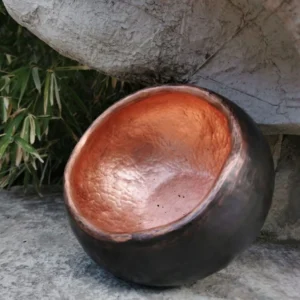
The core logic of dry brewing is minimizing standing water and lowering the maintenance burden of your gongfu tea table. The teapot stand catches rinse water, coasters isolate residual moisture from the bottoms of cups, and stray droplets are wiped away with a tea cloth. Without a large-capacity reservoir tray, wastewater goes only into a small desk waste water bowl, which can be easily emptied and rinsed right after the tea session, making daily cleanup effortless.
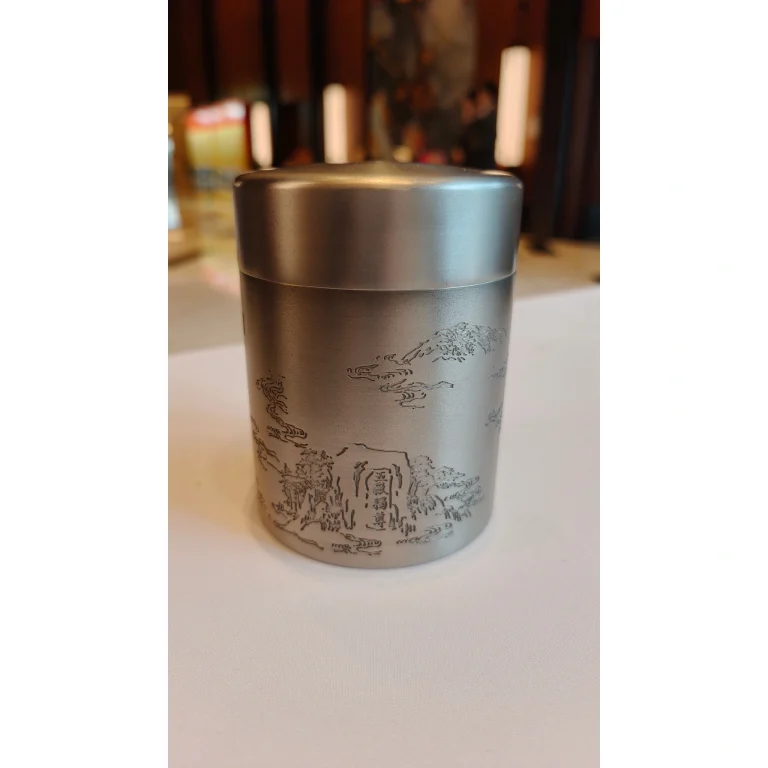
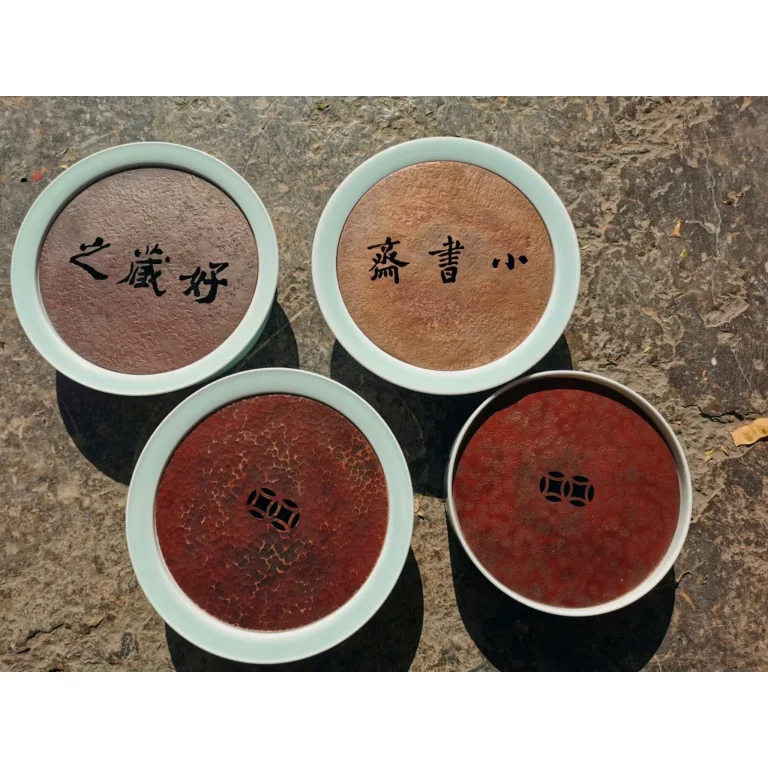
In my view, the two brewing methods correspond to entirely different tea-drinking scenarios. A wet tea tray with its large surface offers ample space, making it ideal for business receptions or large gatherings where brewing rhythm is fast and wastewater management needs to be centralized. On the other hand, a dry setup—paired with hammered copper (锤铜) and pewter carved (锡雕) teapot stands, coasters, and waste bowls to complement your favorite chinese gongfu tea set—is better suited for quiet conversations among a few close friends or solitary meditation over tea. Once these handcrafted utensils are placed on the table, the ambiance instantly turns serene and refined, embodying the quiet tea space long pursued by literati.
This is precisely why I have grown so fond of hammered copper and pewter teaware. Beyond brewing, these materials carry fascinating practical and physical properties:
Pure pewter features an exceptionally dense structure with virtually zero pores. When crafted into a tea canister, its airtight, moisture-proof sealing preserves tea aroma for a long time. When fashioned into tea scoops and cup coasters as part of a refined gongfu tea set, a simple rinse with clean water leaves them spotless, resisting stubborn tea scale. Furthermore, pewter allows for exquisite carvings and unique shapes, bringing a clean, elegant, and ultimate refinement to the table setting.
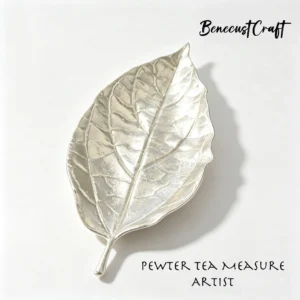
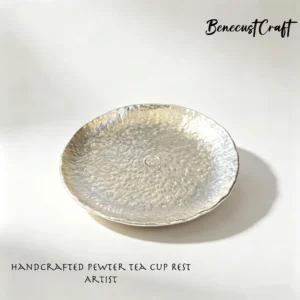
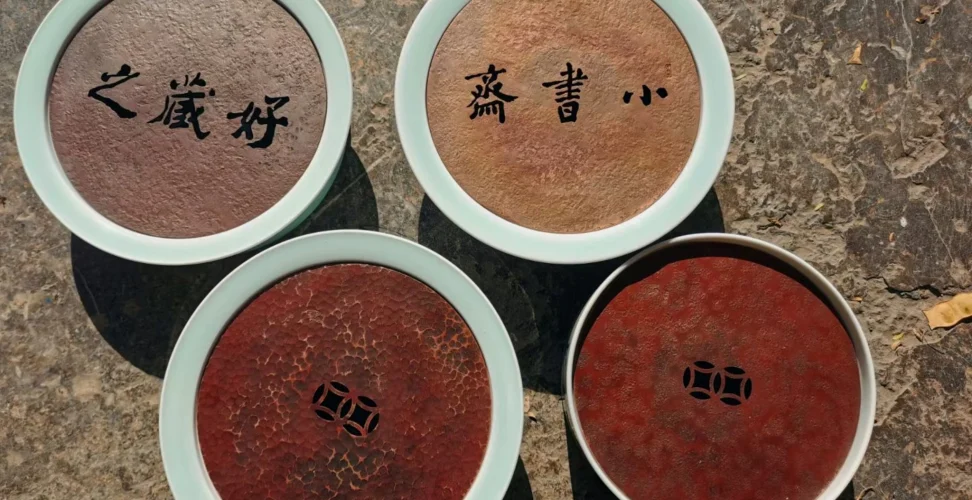
Hammered copper teapot stands, on the other hand, leverage copper’s rapid thermal conductivity. The trace amounts of hot water trailing from the bottom of the teapot are quickly absorbed and evaporated by residual heat, leaving no water marks behind. Moreover, pure copper has a satisfying hand-feel, ensuring the stand stays firmly anchored on the table when lifting the pot. More importantly, unlike pewter, hammered copper invites “pan wan” (fostering/patina play). Ancient tea lovers adored playing with copperware. Through daily use, frequent stroking, the friction of human touch, and the seasoning of skin oils, the metal gradually develops a warm, unique hue and a lustrous surface known as “patina” (包漿). In the past, this was a popular lifestyle trend that added the intimate joy of long-term interaction between human and artifact.
Therefore, to me, a dry tea setup has never been as simple as “skipping the big tea tray.” It is an integrated system of utensils: abandoning massive water reservoirs, using teapot stands to catch pot drips, waste bowls to collect discarded liquid, and coasters to control moisture. While streamlining daily maintenance, it weaves together tea brewing, utensil appreciation, and artifact nurturing through traditional handcrafts. Whether you are using a delicate gongfu tea ceremony set for guest hospitality or curating a personal gongfu tea table, matching the setup to the occasion is the true essence of a relaxed, mindful tea ritual.